
clean-cooking (1)

Clean Cooking Solutions

Cooking is an essential part of life, asides from cultural and traditional values; it meets the basic survival needs. Currently, around 4 billion people do not have access to modern energy cooking services. Instead, they cook on traditional biomass or polluting fuels.

The use of open fires and solid fuels for cooking is one of the world’s most pressing health and environmental problems, directly impacting close to half the world’s population and causing nearly 4million premature deaths each year. Women and children are disproportionally affected by this massive global challenge, suffering from toxic smoke, time poverty, and consequences of deteriorating environments.

By developing a thriving global market for clean and efficient cook stoves and fuels, we can transform the way the world cooks, saving lives, improving livelihoods, empowering women, and protecting the environment simultaneously.

agric (1)

Sustainable Agriculture

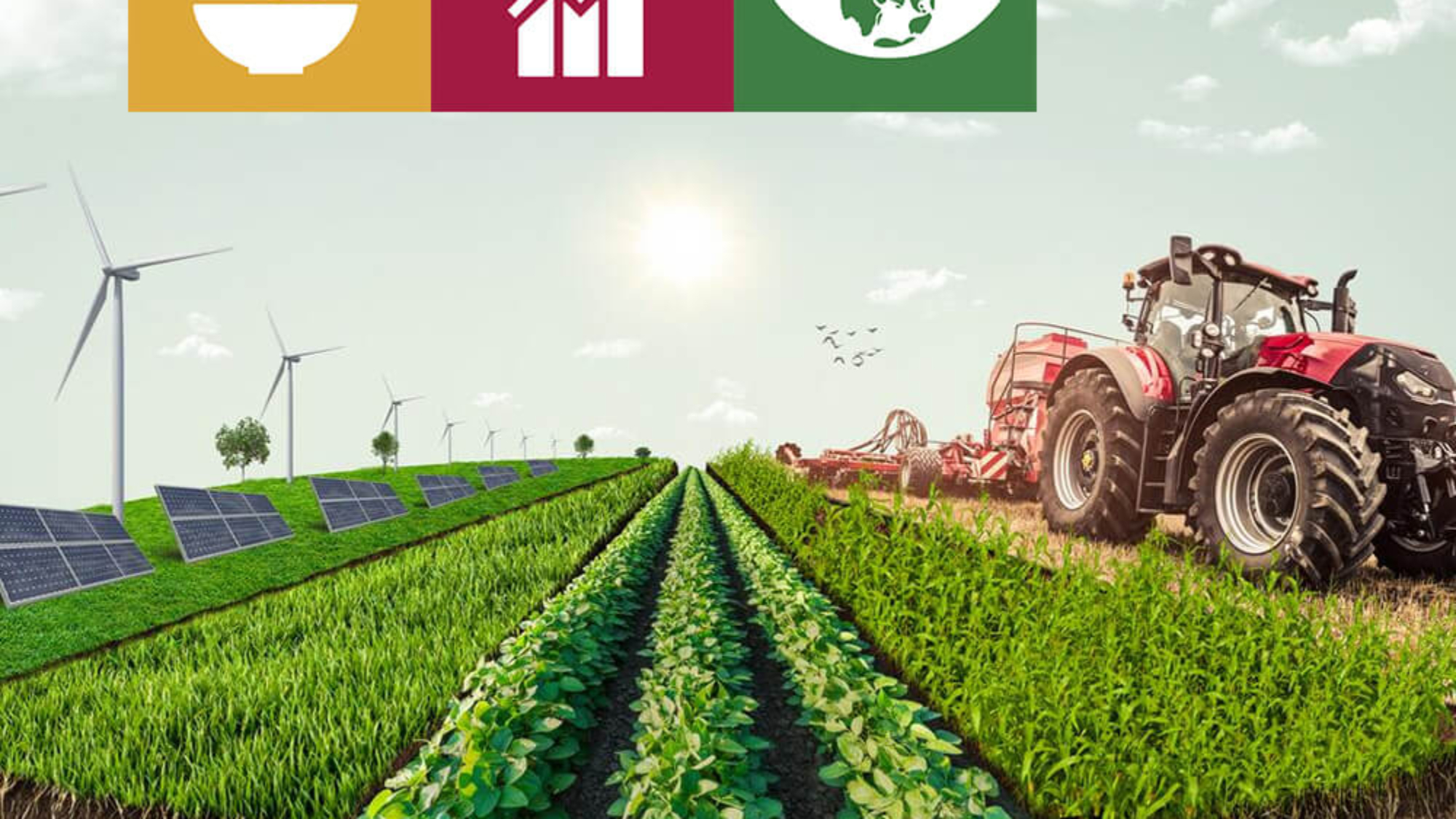
The current trajectory of growth in agricultural production is unsustainable because of its negative impacts on natural resources and the environment. One-third of farmland is degraded, up to 75% of crop genetic diversity has been lost and 22% of animal breeds are at risk. More than half of fish stocks are fully exploited and, over the past decade, about 13 million hectares of forests a year were converted into other land uses.

The goal of sustainable agriculture is to meet the needs of present and future generations for its products and services, while ensuring profitability, environmental health and social and economic equity.

The transition to sustainable food and agriculture requires major improvements in the efficiency of resource use, in environmental protection and in systems resilience.

Ecolabel-Activation (1)

Ecolabel Activation

Ecolabels are marks placed on product packaging or in e-catalogs that can help consumers and institutional purchasers quickly and easily identify those products that meet specific environmental performance criteria and are therefore deemed “environmentally preferable”.

The importance of eco label programs lies in their ability to drive positive change across various industries. They create market incentives for companies to improve their environmental performance and innovate sustainable alternatives. Ecolabels empower consumers to support environmentally responsible businesses, driving demand for greener products and services. Moreover, these programs raise awareness about environmental issues and educate the public on sustainable consumption, fostering a more environmentally conscious society.

Eco label programs contribute to mitigating environmental degradation, conserving natural resources, and transitioning towards a more sustainable and resilient future. By providing transparency and accountability, they empower individuals and businesses to make choices that contribute to a healthier planet.

climate-justice1 (1)

Climate Justice

Climate justice means having a people-centered approach to climate action. This entails ensuring representation, inclusion, and protection of the rights of those most vulnerable to the effects of climate change.

The impacts of climate change will not be borne equally or fairly, between rich and poor, women and men, and older and younger generations. Consequently, there has been a growing focus on climate justice, which looks at the climate crisis through a human rights lens and on the belief that by working together we can create a better future for present and future generations.

Solutions must promote equity, assure access to basic resources, and ensure that the rights of present and future generations to a healthy and clean environment is protected.

By focusing on justice, climate action can address the needs and rights of marginalized communities, including indigenous peoples, low-income populations, and developing nations. It aims to empower these communities to actively participate in decision-making processes and access resources for adaptation and resilience-building.

Wetland-Protectionand (1)

Wetland Protection and Oceans Conservation

Healthy oceans and marine ecosystem services underpin the ocean economy, and provide critical support functions upon which human health and well-being depend. They cover 70 per cent of the planet and provide food, energy and water. The ocean absorbs around one quarter of the world’s annual carbon dioxide (CO2) emissions, thereby mitigating climate change and alleviating its impacts.

Wetlands act as natural filters, purifying water, and mitigating flooding by absorbing excess rainfall. They also serve as crucial habitats for numerous plant and animal species, fostering biodiversity and supporting the overall health of ecosystems. Preserving wetlands helps sustain essential ecological functions while offering economic benefits through activities like ecotourism and fisheries.

Ocean conservation is vital for sustainable development. Oceans generate a significant portion of the Earth’s oxygen, regulate climate patterns, and provide livelihoods for millions of people through fishing, tourism, and maritime trade. Protecting marine ecosystems ensures the preservation of biodiversity, safeguards coastal communities from natural disasters, and maintains the integrity of oceanic resources. Furthermore, healthy oceans contribute to carbon sequestration, mitigating climate change impacts.

Clean-Energy2 (1)

Clean Energy

Clean energy plays a crucial role in promoting sustainable development by addressing two key challenges: mitigating climate change and ensuring access to reliable and affordable energy for all. Fossil fuel-based energy sources are major contributors to greenhouse gas emissions, exacerbating climate change and its associated environmental and social impacts. Transitioning to clean energy, such as solar, wind, hydro, and geothermal power, significantly reduces carbon emissions, helping to combat global warming and its detrimental effects.

Clean energy fosters sustainable development by improving energy access, especially in underserved regions. It offers decentralized energy solutions that can power homes, schools, and healthcare facilities, empowering communities and improving their quality of life. Additionally, clean energy technologies create job opportunities and stimulate economic growth, driving innovation and investment in renewable energy sectors.

By prioritizing clean energy, societies can enhance energy security, reduce air pollution, and foster sustainable economic development

E-mobility (1)

E-mobility / EV

Our society places great value on mobility. Well-developed infrastructure and flexible, reliable systems of transport are fundamental requirements for a functioning economy. About 95 percent of today’s transport are dependent on fossil fuels. The consequences, air pollution and climate change, lead to negative impacts on the environment, health and the quality of life.

The transport sector is the fastest-growing greenhouse gas (GHG) emitting sector, expected to reach a share of more than 30%of total GHG emissions in the future. It is also a leading emitter of short-lived climate pollutants and it contributes greatly to air pollution.

Electric-powered transport has become one of the main drivers worldwide to mitigate our impact on the environment and to mitigate the effects of climate change.

E-mobility plays a vital role in promoting sustainable development by addressing key environmental and social challenges. Firstly, it significantly reduces greenhouse gas emissions and air pollution, as electric vehicles (EVs) produce zero tailpipe emissions and can be powered by renewable energy sources. This helps combat climate change and improve air quality, leading to healthier and more livable cities.

Water,-Sanitation-&Hygiene (1)

Water, Sanitation & Hygiene

Access to clean water, adequate sanitation, and proper hygiene practices are essential for human well-being, health, and dignity. WASH interventions have far-reaching impacts on various aspects of sustainable development.

Improved WASH services contribute to better health outcomes by reducing waterborne diseases, improving hygiene practices, and enhancing sanitation facilities. This leads to improved productivity, reduced healthcare costs, and increased school attendance, particularly for girls.

WASH is closely linked to environmental sustainability. Efficient water management and wastewater treatment contribute to the conservation of water resources, safeguarding ecosystems and biodiversity. Additionally, sustainable sanitation practices can prevent water pollution and protect water sources.

WASH is intricately tied to poverty reduction and economic development. Access to clean water and sanitation services promotes economic activities, improves livelihoods, and enables communities to break the cycle of poverty.

WASH is vital for sustainable development as it enhances health outcomes, preserves the environment, and fosters economic growth. Integrating WASH into development strategies ensures a more sustainable and equitable future for all.

ecotour (1)

Ecotourism

Ecotourism plays a crucial role in promoting sustainable development by integrating environmental conservation, community empowerment, and economic growth. It provides a responsible approach to tourism that minimizes negative impacts on natural resources and local communities while creating opportunities for their long-term well-being.

Ecotourism emphasizes environmental awareness, by encouraging tourists to appreciate and respect fragile ecosystems. By shedding light on the importance of biodiversity and ecological preservation, it supports conservation efforts and protects vulnerable habitats.

Ecotourism empowers local communities by involving them in decision-making processes, providing employment, and promoting cultural exchange. This engagement ensures that the benefits of tourism reach local populations, enhancing their livelihoods and encouraging the preservation of traditional practices and knowledge.

Ecotourism contributes to sustainable economic growth by diversifying local economies, reducing dependence on a single industry, and promoting small-scale enterprises. The revenue generated from ecotourism can be reinvested in community development, education, and infrastructure, thus creating a positive cycle of economic and social progress.

noise-pollution1 (1)

Noise Pollution

Environmental noise has traditionally been dismissed as an inevitable fact of life and has not been targeted and controlled to the same extent as other health risks.

However, clear links have been established between excessive exposure to environmental noise and adverse health effects, such as annoyance, disrupted sleep cycles, cardiovascular disorders, and impaired cognitive development of children, by reducing noise pollution, we can create healthier and more livable environments for individuals.

As an environmental stressor, noise negatively impacts psychological and physical well-being. Effective noise management and control, supported by legislation or policy, has a key role to play in achieving SDGs.

Addressing noise pollution is essential for protecting human health, fostering communication and social well-being, preserving the environment, and promoting sustainable development.

electrical-waste2 (1)

WEEE (Waste on Electrical and Electronic Equipment)

The widespread consumption of electronic devices has made spent batteries an ongoing economic and ecological concern. E-waste (electronic waste), also known as waste electrical and electronic equipment (WEEE), has become one of the fastest growing waste streams worldwide.

Electronic waste management is of utmost importance due to the significant environmental and human health risks associated with electronic waste (e-waste). As the rapid pace of technological advancement drives the obsolescence of electronic devices, improper disposal can result in severe consequences. E-waste contains hazardous substances such as lead, mercury, cadmium, and brominated flame retardants that can contaminate soil, water, and air, posing serious threats to ecosystems and human well-being.

Electronic waste management is of utmost importance due to the significant environmental and human health risks associated with electronic waste (e-waste). As the rapid pace of technological advancement drives the obsolescence of electronic devices, improper disposal can result in severe consequences. E-waste contains hazardous substances such as lead, mercury, cadmium, and brominated flame retardants that can contaminate soil, water, and air, posing serious threats to ecosystems and human well-being.

E-waste management contributes to sustainable development by creating employment opportunities in recycling industries and fostering innovation in waste reduction and recycling technologies. It also promotes the responsible consumption and production of electronics, encouraging manufacturers to adopt eco-friendly design practices.

Prioritizing electronic waste management is crucial for preserving the environment, safeguarding human health, conserving resources, and promoting a sustainable and circular economy.

wasteoil-mgt (1)

Waste Oil Management

Waste oil management is of paramount importance due to its significant environmental and economic implications. Waste oil, which includes used lubricants and other petroleum-based fluids, poses a severe threat if not managed properly. Improper disposal of waste oil can contaminate soil, water bodies, and groundwater, leading to adverse effects on ecosystems, human health, and biodiversity.

Effective waste oil management entails collection, recycling, and proper disposal methods. Recycling waste oil not only reduces the demand for virgin oil but also minimizes pollution and energy consumption associated with oil production. Recycling also prevents the release of harmful chemicals and toxins into the environment.

Waste oil can be re-refined, transforming it into usable lubricants and other petroleum-based products. This conserves resources, reduces greenhouse gas emissions, and mitigates the need for crude oil extraction. Additionally, waste oil management presents economic opportunities through the creation of jobs in the recycling and re-refining industries.

Proper waste oil management plays a crucial role in safeguarding the environment, conserving resources, reducing pollution, and promoting sustainable practices, thereby contributing to a healthier and more sustainable future.

energy-efficiency2 (1)

Energy Efficiency

Considering the growing gap between the demand and supply for electric power, improving energy efficiency on both the demand and supply sides could be an effective strategy to meet the needs of the people.

Investing in energy efficiency helps reduce energy consumption, leading to lower greenhouse gas emissions and combating climate change. By maximizing the output from energy sources and minimizing waste, energy efficiency plays a significant role in transitioning towards a sustainable and low-carbon future.

Energy efficiency helps save resources and promotes economic growth. By reducing the amount of energy required to perform tasks, businesses and individuals can lower their energy bills and allocate the saved resources to other productive areas. This can stimulate economic development, create jobs, and enhance energy security.

Energy efficiency enhances energy access and affordability. By optimizing energy use, it becomes more feasible to provide affordable and reliable energy services to communities worldwide. This is particularly crucial for regions with limited access to electricity or facing energy poverty, as energy efficiency measures can improve energy availability and reduce energy costs.

Energy efficiency is vital for environmental sustainability, economic prosperity, and social equity. It serves as a cornerstone for achieving a more efficient, resilient, and sustainable energy systems.

Ecosystem-conserver (1)

Ecosystem Conservation

Ecosystems provide essential services that support human well-being, such as clean air and water, fertile soils, and climate regulation. Conserving ecosystems ensures the continued availability of these services, enabling long-term economic, social, and environmental benefits.

Sustainable development seeks to meet present needs without compromising the ability of future generations to meet their own needs. Ecosystem conservation plays a key role in achieving this goal by preserving biodiversity and ecological balance. Healthy ecosystems contribute to sustainable food production, as they provide habitats for pollinators and natural pest control. They also serve as natural buffers against climate change impacts, reducing the vulnerability of communities to disasters.

Intact ecosystems offer opportunities for sustainable tourism, recreation, and research, promoting economic growth while preserving natural resources. Conservation efforts also foster community engagement and empowerment, as local populations become stewards of their natural surroundings.

In essence, ecosystem conservation is essential for promoting sustainable development as it safeguards essential services, supports livelihoods, mitigates climate change, and fosters resilience. It is a crucial investment for the well-being and prosperity of all.

Recycling

Recycling

Recycling plays a pivotal role in promoting the conservation of natural resources, reducing waste, and mitigating environmental impacts. By recycling materials such as paper, plastic, glass, and metal, we can significantly reduce the need for extracting raw materials from the Earth. This helps preserve ecosystems and biodiversity while conserving energy and water resources.

Recycling also minimizes the volume of waste sent to landfills, reducing greenhouse gas emissions and preventing soil and water contamination. It also reduces the demand for landfill space, which can be particularly crucial in densely populated areas. Additionally, recycling creates economic opportunities by generating jobs in the recycling industry and supporting a circular economy.

Promoting recycling practices fosters a culture of sustainability and encourages individuals, businesses, and governments to adopt responsible consumption and waste management practices. By reducing our reliance on virgin materials and extending the life cycle of products through recycling, we move towards a more sustainable future where resources are utilized efficiently, waste is minimized, and environmental impacts are mitigated.

clean air

Clean Air / Zero SLCPs

Clean air is of paramount importance for promoting sustainable development. It plays a critical role in safeguarding human health, ecosystems, and economic prosperity. Clean air ensures the well-being of individuals by reducing the risk of respiratory diseases, allergies, and other health complications. Healthy populations are more productive, contributing to economic growth and stability.

Clean air is essential for preserving the environment and biodiversity. Pollution-free air supports the health and survival of plants, animals, and ecosystems, maintaining ecological balance. It fosters agricultural productivity and sustains food security, enabling sustainable farming practices.

Clean air is closely linked to mitigating climate change. By reducing emissions of pollutants and greenhouse gases, we can improve air quality and limit global warming, contributing to a more sustainable future.

Recognizing the significance of clean air, inspires societies to prioritize robust environmental policies, promote renewable energy sources, encourage sustainable transportation, and adopt cleaner industrial practices. Such actions will not only protect public health but also create opportunities for innovation, job creation, and a resilient economy. Ultimately, clean air is an indispensable component of sustainable development, ensuring a healthier, more prosperous, and sustainable world for present and future generations.